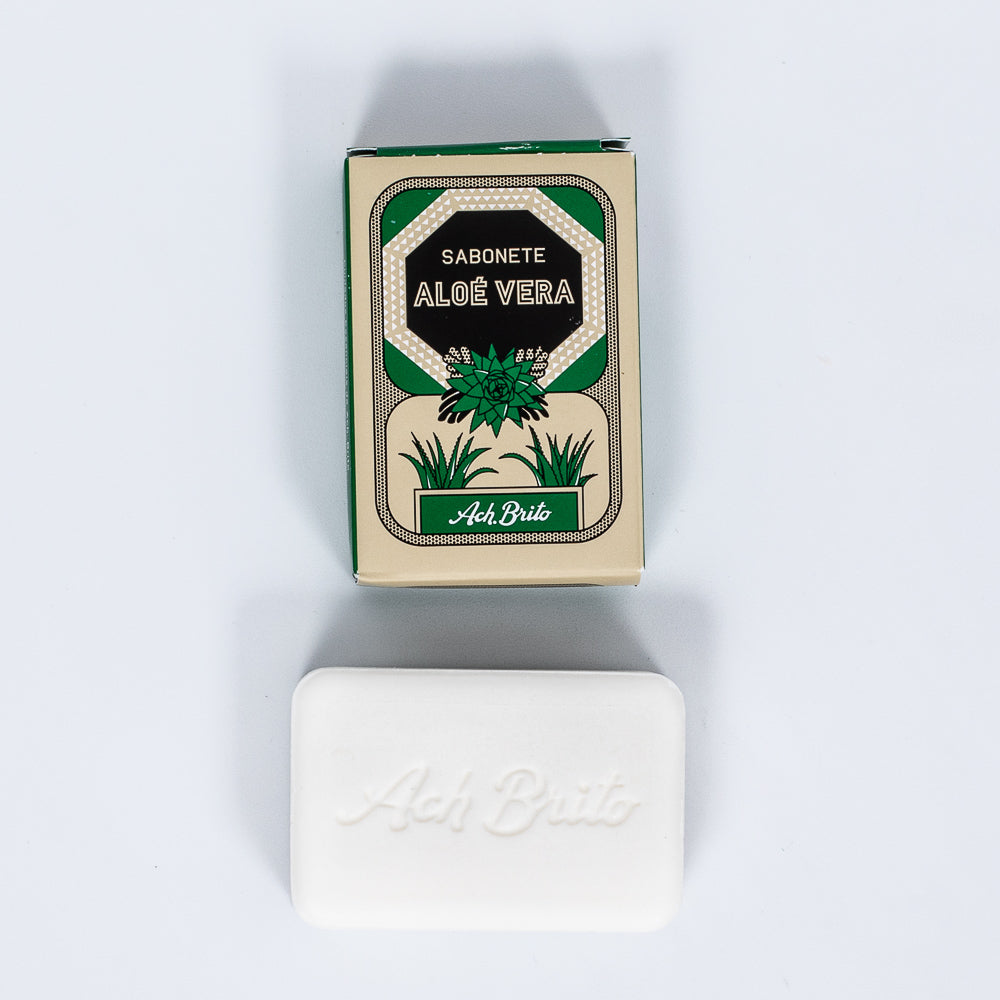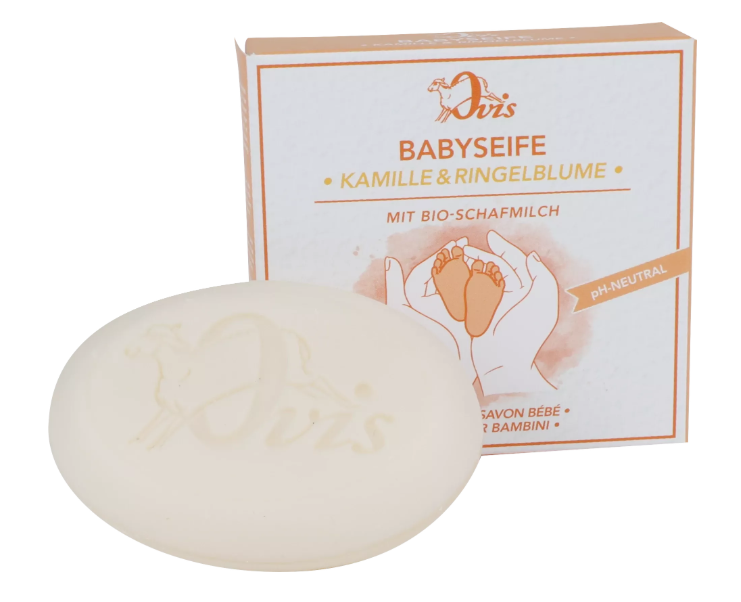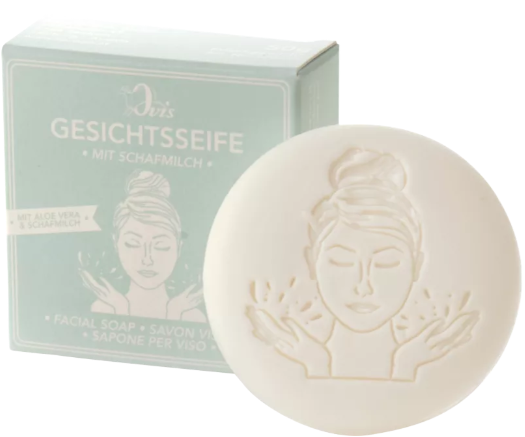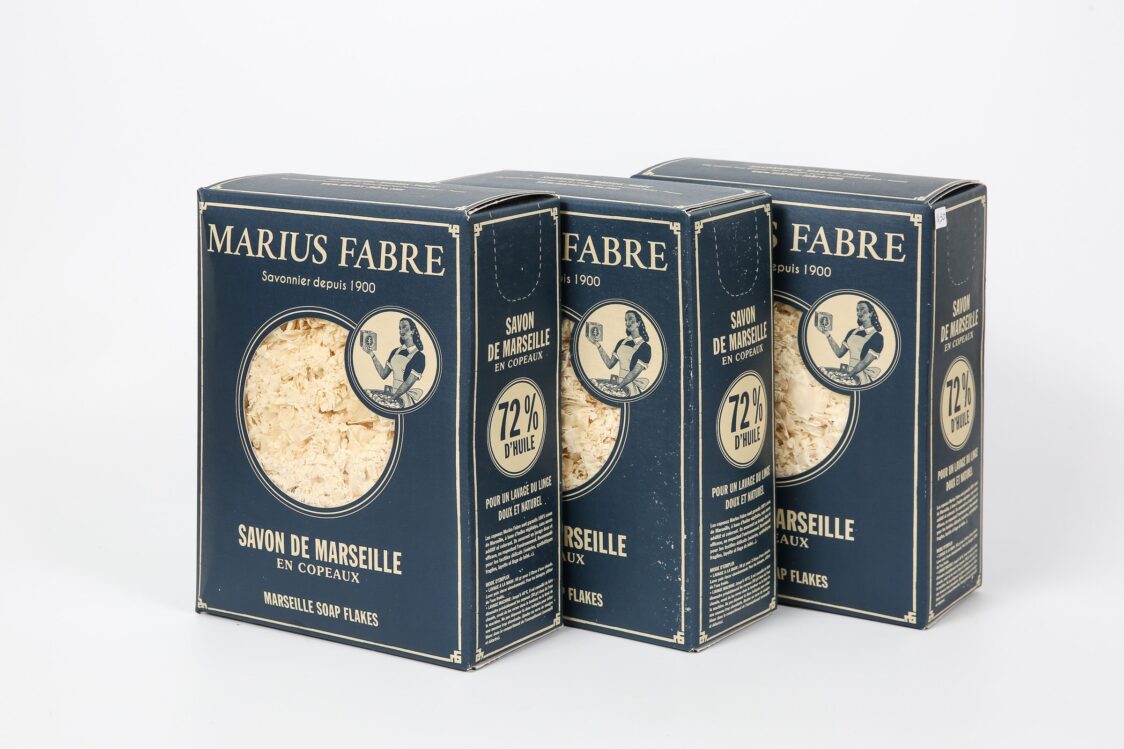
An everyday object that holds centuries of tradition, texture, scent, and craft.
With over 4,000 years of history — from the banks of the Euphrates to the courtyards of Marseille — soap has accompanied humanity for millennia. It’s not just a hygiene product, but part of our domestic imagination: a daily ritual, a scent of childhood, or the feeling of being in someone else’s home.
A story that smells like clean.
Over time, each culture found its own formula for making soap.
What never changed was its intimate purpose: to care, to cleanse, to reconnect.
The Sumerians made it by mixing animal fats with ashes.
The Egyptians added essential oils.
The Romans turned it into an everyday luxury.
In the Middle Ages, soapmakers were esteemed artisans, and their product — rare and precious.
The soul of soap: crust, scent, and character.
Though each piece is unique — like handmade bread — good soaps share certain unmistakable traits: they have a crust, a scent, and character.
The Crust.
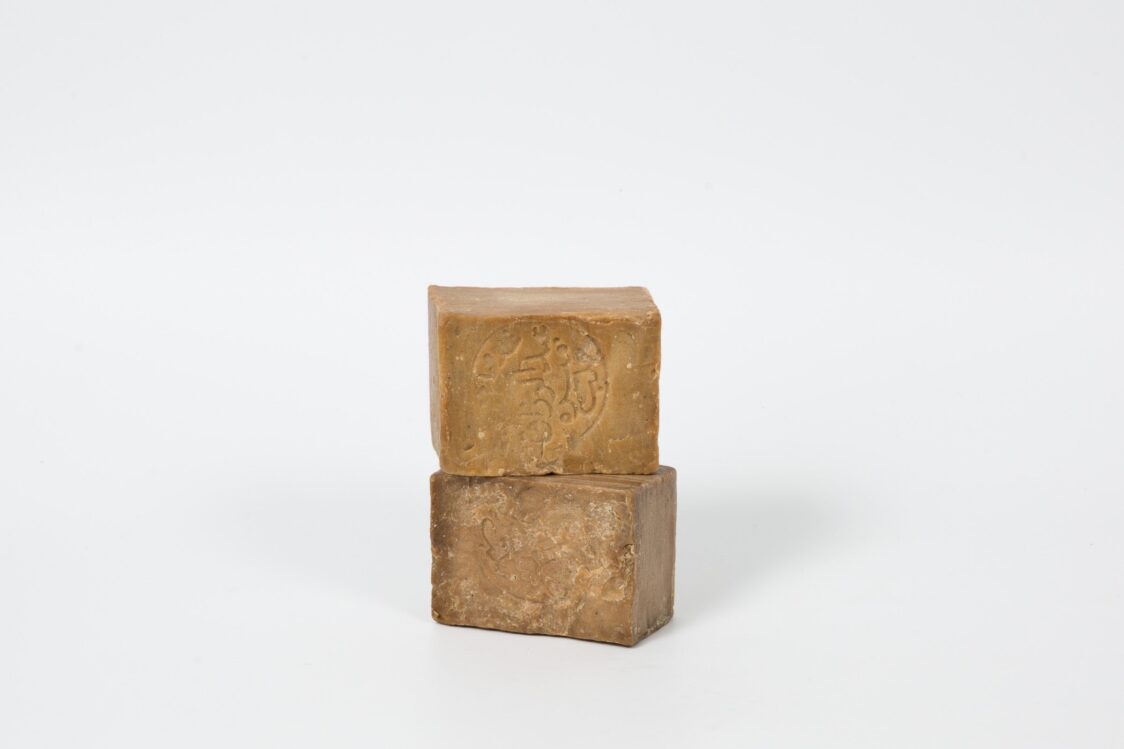
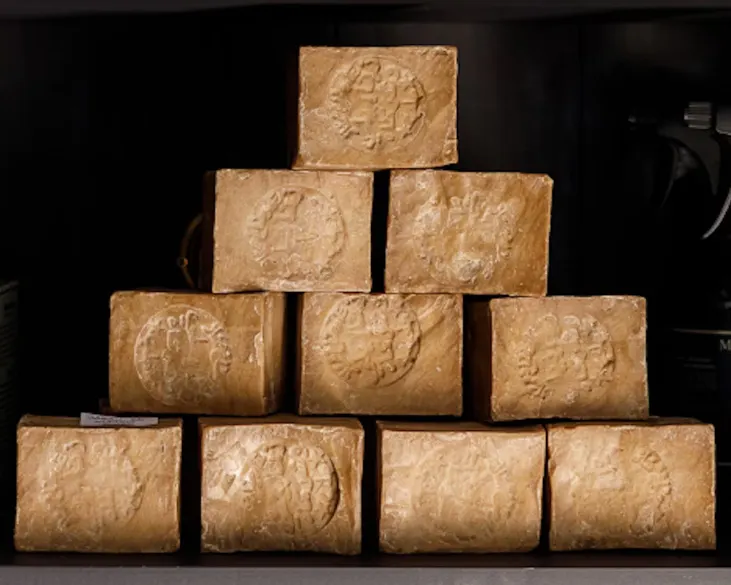
It’s the outer layer that forms as the soap cures.
It’s not smooth or shiny. It has an almost mineral texture — a soft, matte veil, sometimes with imperfect edges.
Like artisanal bread, the crust is a sign of a slow, unhurried process.
It shows that the soap has breathed, rested, and matured.
Visually, it’s what sets it apart from industrial soap.
To the touch, it feels firm but not dry. Soft — but with a story.
The Scent
Good soap doesn’t shout. Its smell is clean, natural, and calm.
It comes from essential oils or pure ingredients — laurel, lavender, clay, lemon, oats… Never overwhelming, never lingering too long.
It’s like opening a linen drawer, or walking into a well-aired home.
Sometimes it brings back memories. Other times, it simply soothes.
The Character.
Every soap has its own personality.
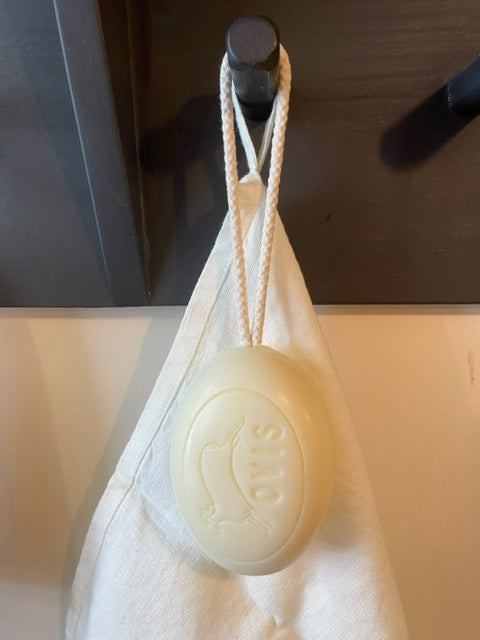
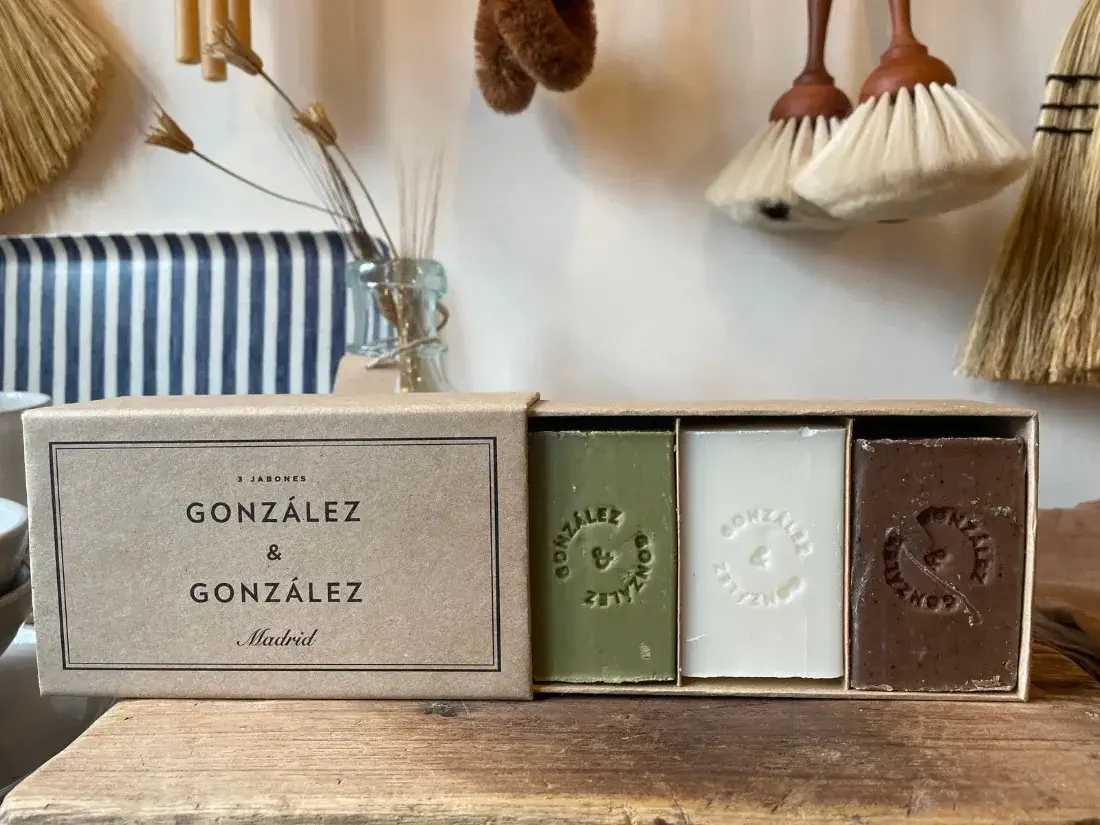
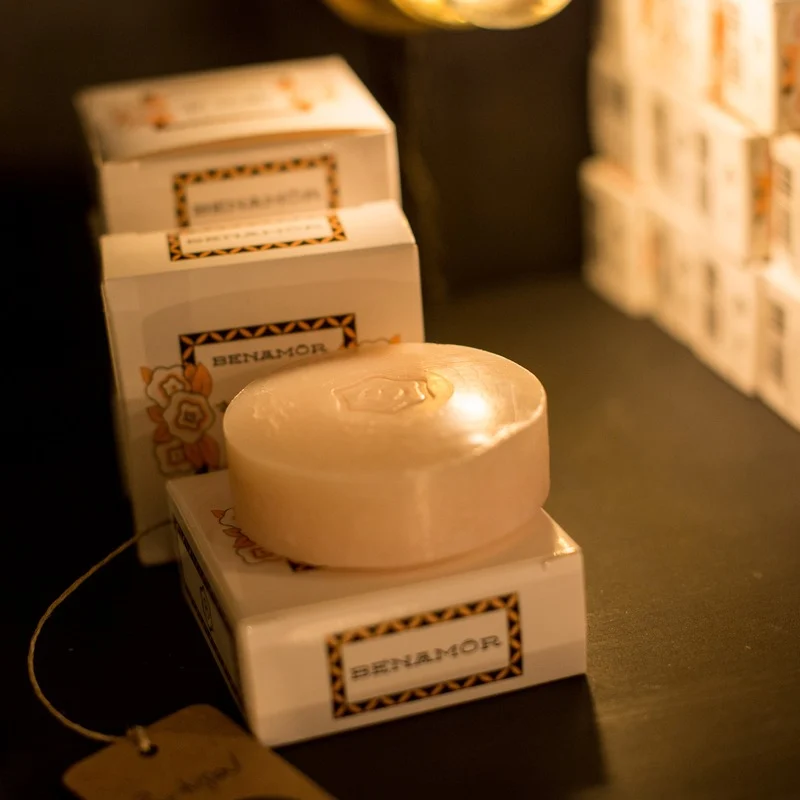
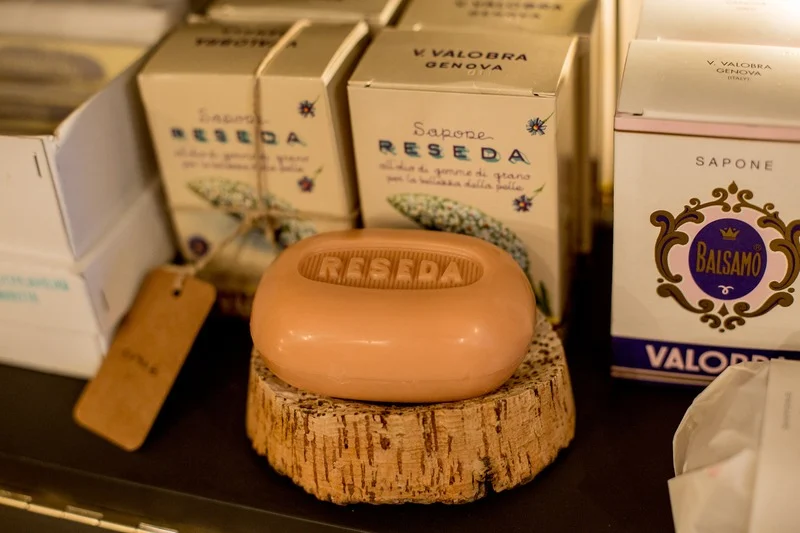
It might be in its shape — square, round, rustic — its natural color — beige, olive green, amber — its contents — leaves, grains, bubbles — or in the way it melts away with use.
Character is what makes you choose one over another, even when they all smell good. It’s the feeling it leaves on your skin — and in your memory.
Soaps that left a mark.
Some soaps have gone beyond their use to become cultural symbols.
Aleppo Soap (Syria)
A blend of olive oil and laurel. It’s dried for 9 months, darkening on the outside while staying green inside. Legend has it Cleopatra used it.
Castile Soap (Spain)
Made solely from olive oil. Pure, white, and gentle. A favorite among European royal families for centuries.
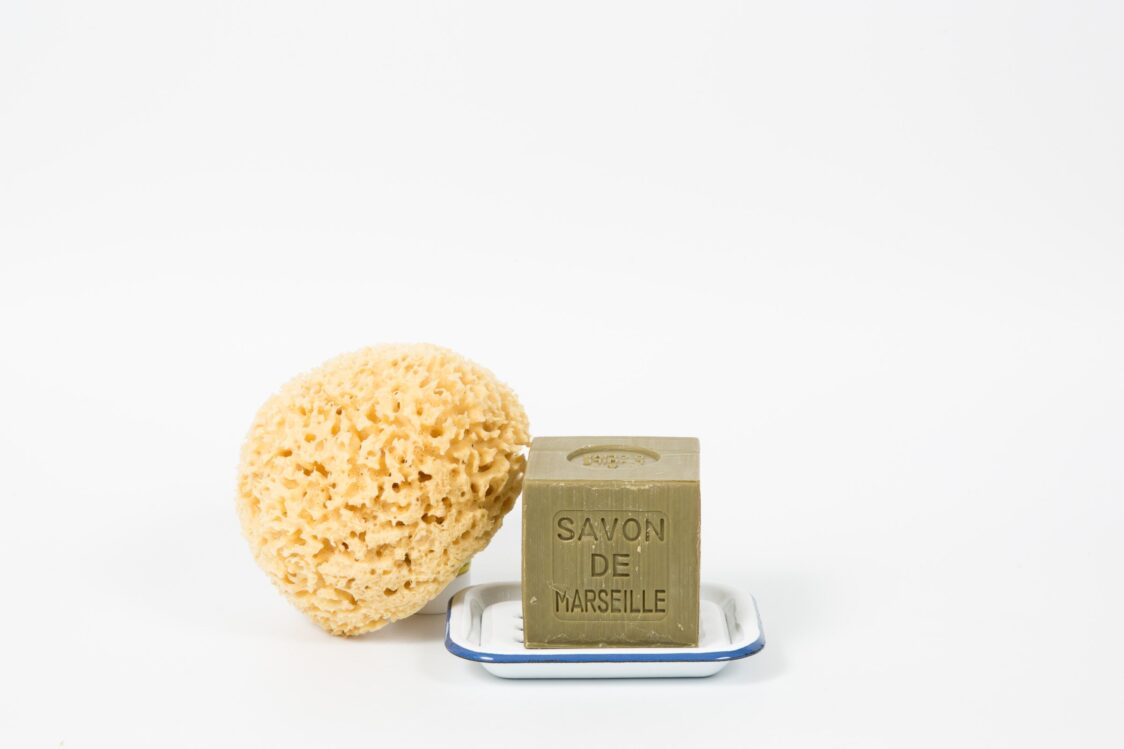
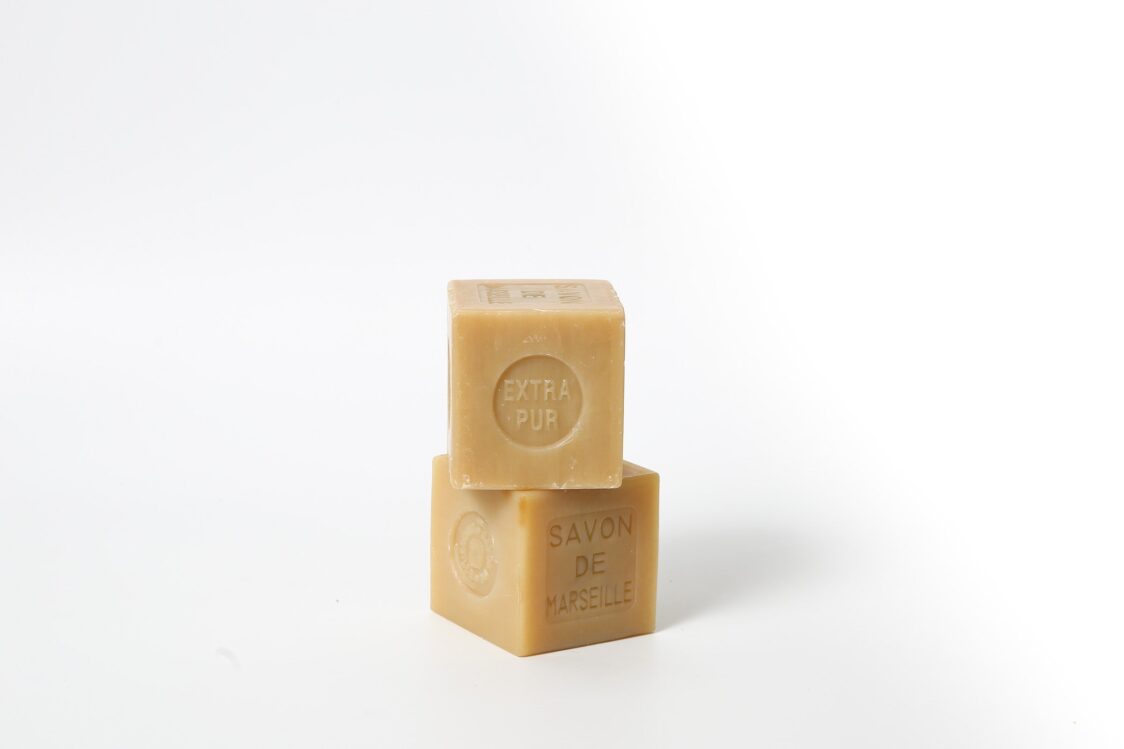
Savon de Marseille (France)
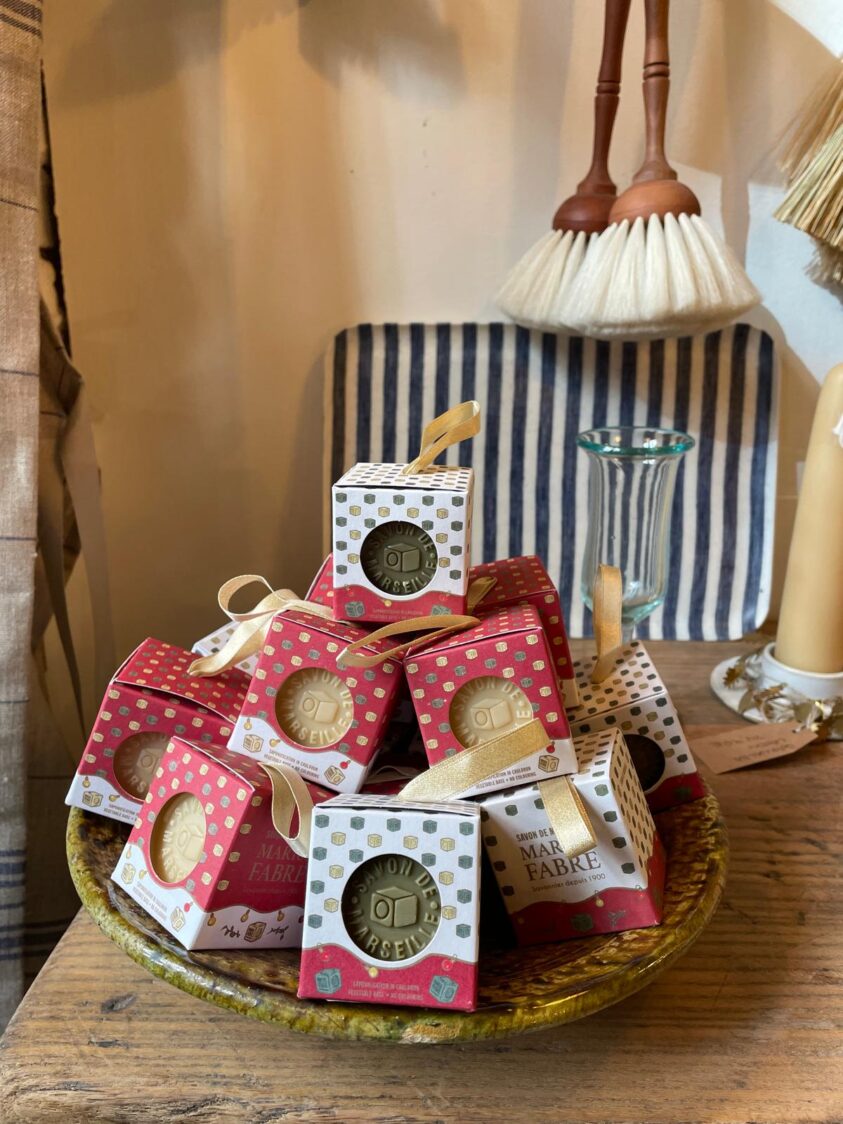
Square, dense, and stamped in relief. Made only with vegetable oils, cooked for days in copper cauldrons. An icon of domestic cleanliness.
Moroccan Black Soap
Used in hammams, this thick, foamless soap deeply cleanses and prepares the skin for exfoliation with a kessa glove.
Soapy curiosities and anecdotes
Soap, though discreet, has witnessed historical moments, superstitions, eccentricities, and unique customs — some of which have become legend.
In the 18th century, soap production was seen as a reflection of a city’s economic development: the more soap, the more civilization.
Napoleon Bonaparte demanded that soaps for the French army be unscented — to avoid sensory distractions.
In the 20th century, industrial soaps used powdered milk to mimic the lather of handmade soap… even if it meant losing their true properties.
In some cultures, gifting soap symbolizes good wishes for health, moral cleansing, and renewal.
How we choose our soaps at González & González
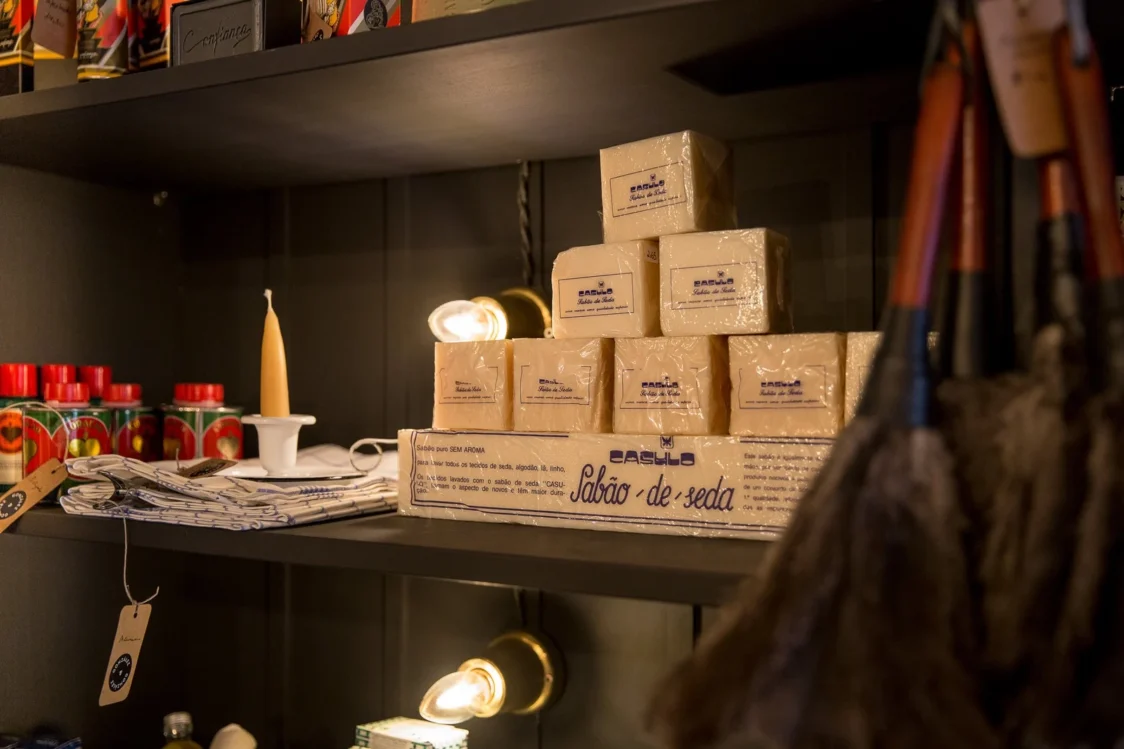
We don’t look for trendy formulas or flashy packaging. We look for texture, honesty, subtle scent, and tradition.
Each of our soaps has been chosen for:
- its handcrafted production methods
- the natural origin of its ingredients
- its timeless, understated aesthetics
- and, of course, the way it leaves your skin
We love soaps that don’t shout — but leave a mark.